
Why Gut Health Matters When You Feel Adrenal Fatigue: The Gut-Brain-Adrenal Axis

Reviewed by Dr. Peter Wannigman, ND. Reviewed September 2026.
Why Gut Health Matters When You Feel “Adrenal Fatigue”
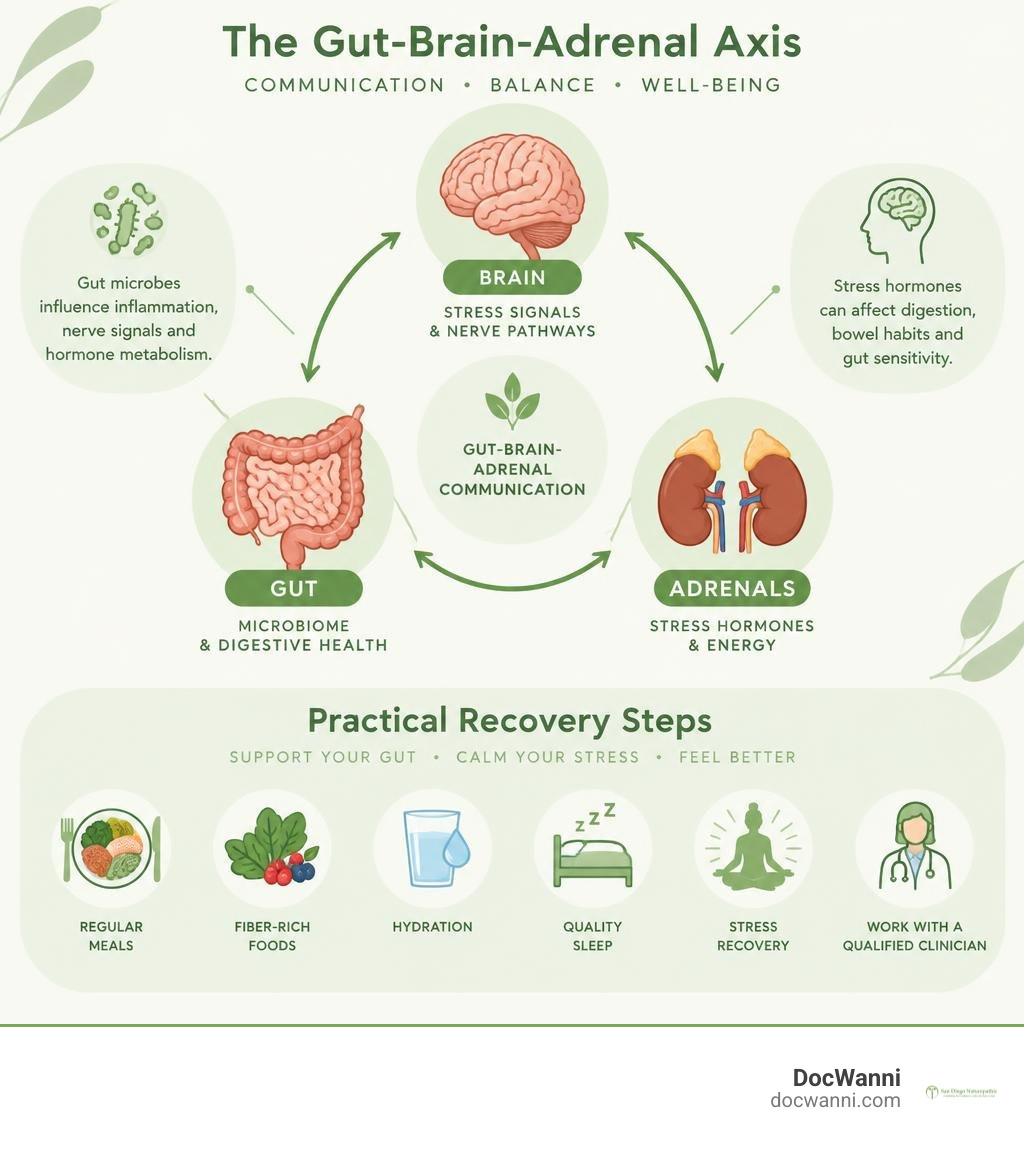
Gut problems and chronic stress can feed into each other. IBS symptoms, poor sleep, inflammation, and an imbalanced gut microbiome may change stress-hormone signaling. In turn, ongoing stress can worsen digestion, bowel habits, and gut sensitivity. If you are dealing with fatigue, brain fog, and IBS, the most useful first steps are to support regular meals, adequate fiber and fluids, sleep, and stress recovery while working with a qualified clinician to rule out medical causes of fatigue or hormone symptoms.
“Adrenal fatigue” is a common term, but it is not a recognized medical diagnosis. Still, the symptoms people attach to it are real and deserve a careful look. Conditions such as anemia, thyroid disease, sleep disorders, depression, medication effects, and true adrenal disorders can cause similar symptoms.
Research on the gut-brain-adrenal axis offers a helpful framework. Gut microbes can influence inflammation, nerve signals, and compounds involved in hormone metabolism. Large genetic studies also suggest that some microbial groups may have causal links with measures of adrenal cortex and medulla function. These findings are promising, but they do not prove that a probiotic or diet change can treat an adrenal disease.
This guide explains what the science supports, where it is still uncertain, and how a practical gut-first plan may help you address IBS alongside stress-related fatigue.
The Gut-Brain-Adrenal Axis: Understanding Adrenal Fatigue Gut Health
The link between your digestive tract and endocrine glands is direct, physical, and chemical. When we look at the intricate connection behind adrenal fatigue gut health, we are studying the hypothalamic-pituitary-adrenal (HPA) axis working alongside the enteric nervous system (ENS).
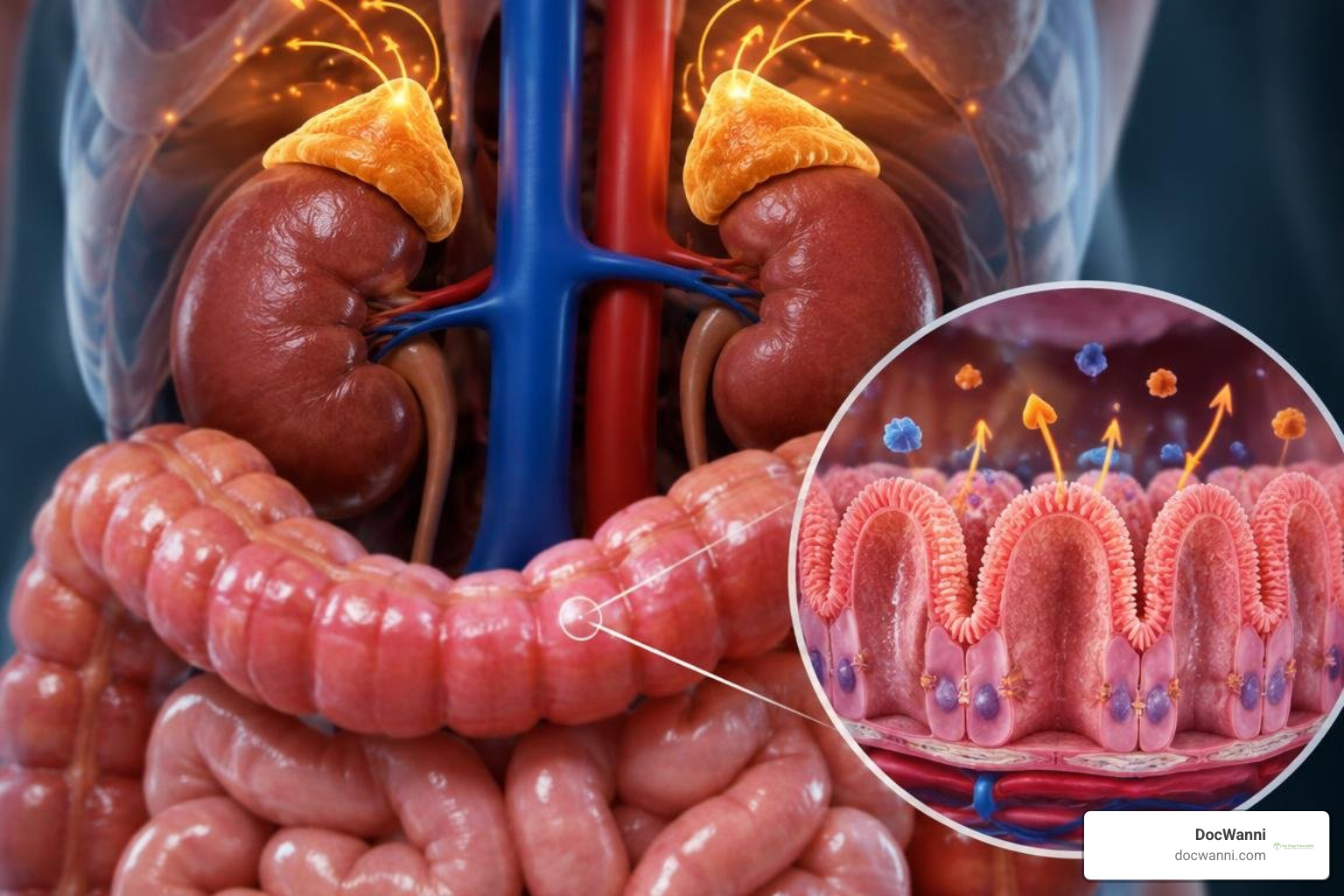
Your digestive tract houses hundreds of millions of neurons that communicate constantly with your central nervous system via the vagus nerve. When your brain registers a perceived stressor, the hypothalamus secretes corticotropin-releasing hormone (CRH), prompting the pituitary gland to release adrenocorticotropic hormone (ACTH). ACTH travels through the bloodstream to trigger the adrenal glands, which synthesize cortisol, aldosterone, and dehydroepiandrosterone (DHEA).
Under normal circumstances, cortisol acts as a natural anti-inflammatory agent. However, prolonged stress dysregulates this feedback loop. Cortisol directly increases intestinal barrier permeability, alters gastrointestinal motility, and impairs local secretory IgA production. When prioritizing your digestive wellness, focusing on foundational gut health and nervous system stress regulation becomes essential to halt this cycle of endocrine strain.
Microbial Endocrinology and the Stress Response
Microbes are active participants in endocrine signaling. The field of microbial endocrinology reveals that bacteria do not merely react to human hormones; they actively manufacture, modify, and utilize them.
As highlighted in a comprehensive review on microbial regulation of stress signaling molecules, several gut bacterial species possess specialized transport mechanisms and surface receptors that detect host catecholamines such as norepinephrine and epinephrine. Pathogenic and commensal bacteria alike can alter their virulence, growth rates, and gene expression when exposed to stress chemicals.
Furthermore, gut bacteria synthesize neuroactive compounds including gamma-aminobutyric acid (GABA), serotonin, and dopamine. When intestinal dysbiosis disrupts this microbial synthesis, baseline neuroendocrine signals misfire. The brain interprets these altered metabolic cues as continuous physiological distress, perpetuating an unrelenting cycle of adrenal activation.
How Dysbiosis and IBS Drive Adrenal Fatigue Gut Health Symptoms
When the delicate microbial architecture of your intestines breaks down, irritable bowel syndrome (IBS) and chronic systemic fatigue frequently follow. Intestinal hyperpermeability (commonly known as “leaky gut”) allows bacterial byproducts, undigested proteins, and toxins to cross into the bloodstream.
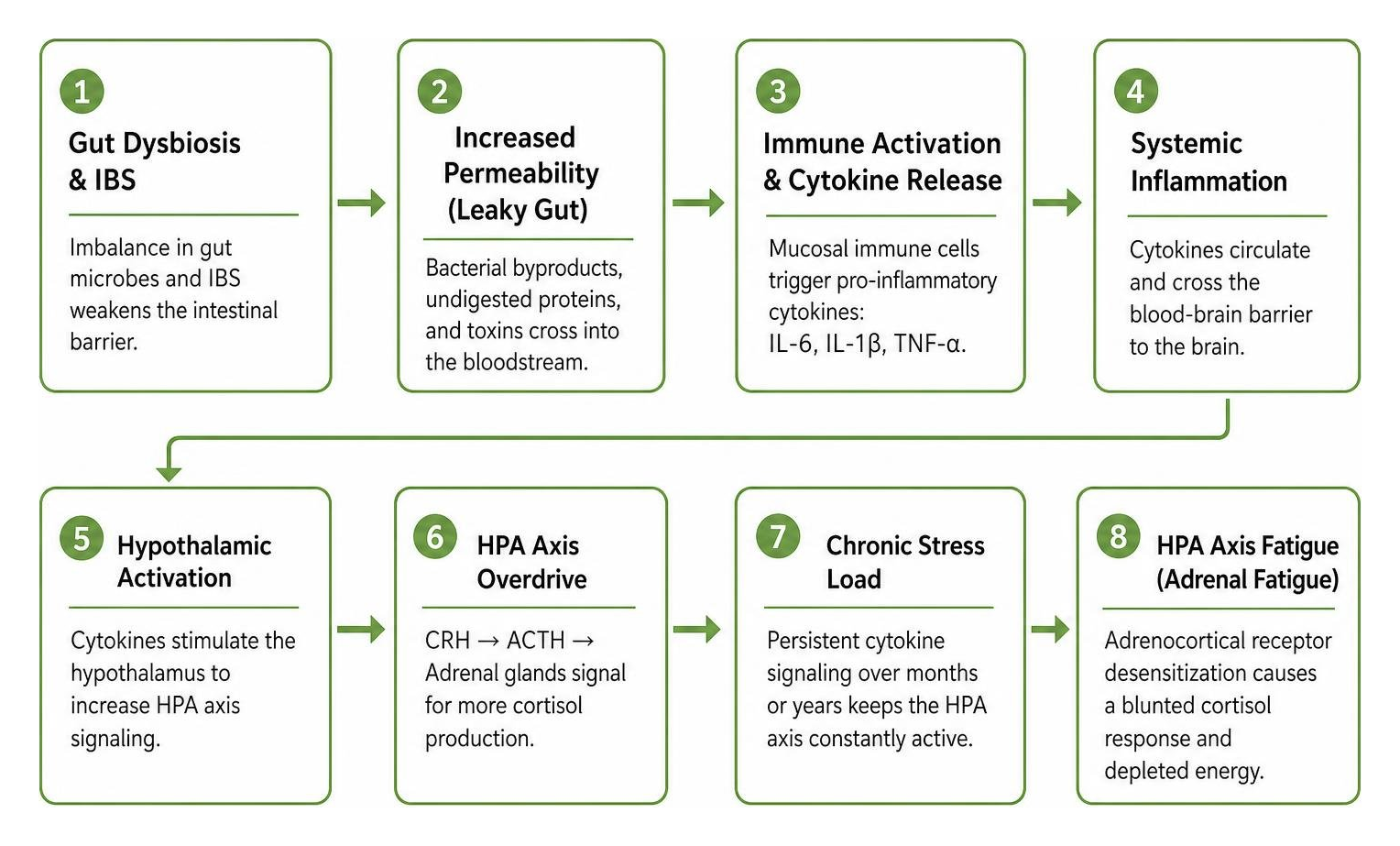
This bacterial translocation alerts mucosal immune cells, initiating a wave of pro-inflammatory cytokines such as interleukin-6 (IL-6), interleukin-1 beta (IL-1β), and tumor necrosis factor-alpha (TNF-α). Circulating cytokines cross the blood-brain barrier and repeatedly trigger the hypothalamus to demand more cortisol.
Over months or years of persistent gut issues, this sustained inflammatory signaling leads to adrenocortical receptor desensitization. The result is a blunted diurnal cortisol curve, leaving you feeling profoundly depleted. Addressing these intestinal triggers helps uncover the hidden causes of fatigue that keep individuals trapped in persistent chronic fatigue.
Mendelian Randomization: Causal Links Between Gut Microbiota and Adrenal Function
For decades, clinicians debated whether gut dysbiosis was merely an incidental symptom of stress or a direct cause of altered adrenal output. Observational studies could not easily untangle reverse causation or confounding lifestyle variables.
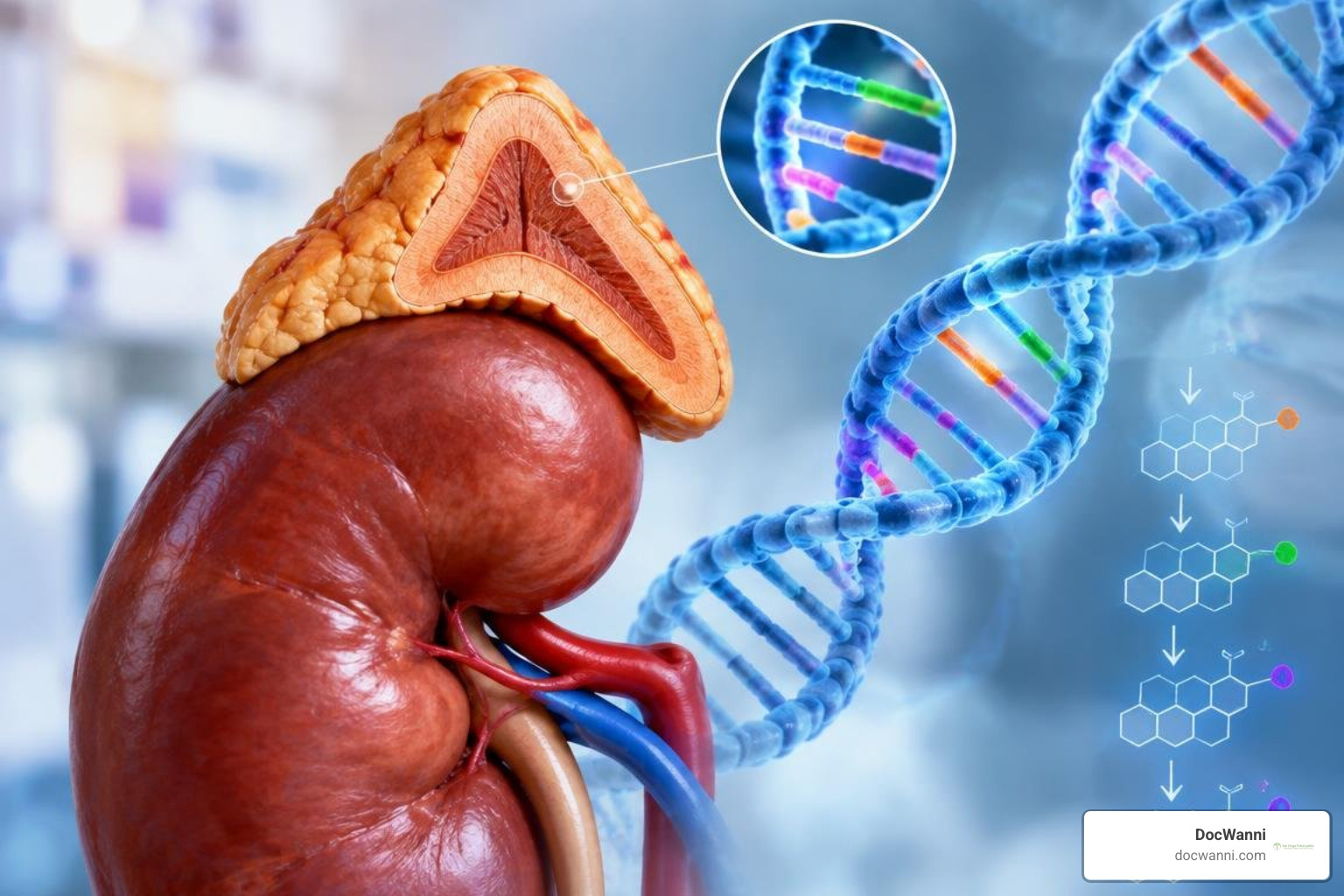
Recent genetic epidemiology has answered this question. Using two-sample Mendelian randomization (MR), a method utilizing human genetic variants as instrumental variables to assess causality, researchers evaluated large genome-wide association study (GWAS) datasets from the MiBioGen consortium (18,340 participants across 24 cohorts) and national biobanks like FinnGen.
In a landmark Mendelian randomization study on gut microbiota and adrenal function, investigators evaluated 119 bacterial genera at a locus-wide significance threshold of 1 × 10⁻⁵. The researchers uncovered 27 causal associations spanning 23 distinct gut genera that directly influenced measures of adrenal cortex and medulla activity. Complementary research on gut microbiota and adrenal disease risk verified that specific taxonomic groups either significantly elevate or protect against severe adrenocortical conditions.
Specific Taxa Modulating Cortisol, Aldosterone, and Catecholamines
The MR findings established that gut bacteria influence specific anatomical zones of the adrenal gland:
- Zona Reticularis (Androgen Production): The genus Sellimonas demonstrated a positive causal effect on zona reticularis activity (beta = 0.008, 95% CI 0.002–0.013, P = 0.0057), while Sutterella exerted a distinct regulatory influence on reticularis signaling pathways.
- Zona Glomerulosa (Mineralocorticoid Synthesis): The genus Intestinimonas demonstrated direct causal associations with zona glomerulosa dynamics, the site of aldosterone production that governs electrolyte balance and blood pressure. Conversely, elevated levels of Parasutterella, Peptococcus, and Veillonella were linked to higher risks of hyperaldosteronism.
- Adrenal Medulla (Catecholamine and Peptide Secretion): Microbes including Allisonella and Bilophila showed causal links to the regulation of adrenomedullin, an essential peptide hormone synthesized by the adrenal medulla and vascular tissues.
- Protective Taxa: Taxa such as Lactobacillus and members of the class Deltaproteobacteria (odds ratio [OR] 0.47, 95% CI 0.24–0.90) exhibited protective effects against adrenocortical insufficiency, whereas families like Porphyromonadaceae heightened risk (OR 4.12, 95% CI 1.72–9.85).
Methodological Rigor: IVW, cML-MA, and Sensitivity Analyses
To ensure that these 27 causal links were biologically authentic and not mathematical artifacts, researchers applied multiple statistical models:
| Statistical Method | Primary Analytical Purpose | Key Strength in Gut-Adrenal Analysis |
|---|---|---|
| Inverse-Variance Weighted (IVW) | Primary causal estimate pooling Wald ratios | Highest statistical power under the assumption of balanced pleiotropy (P < 0.05) |
| cML-MA | Constrained maximum likelihood model | Controls for correlated and uncorrelated pleiotropic instruments |
| MR-Egger | Regression assessment of directional pleiotropy | Identifies systematic bias; intercepts close to zero confirm absence of directional pleiotropy |
| Weighted Median | Median-based causal estimation | Provides valid causal estimates even if up to 50% of the genetic weight comes from invalid instruments |
| MR-PRESSO | Outlier detection and residual sum testing | Identifies and removes horizontal pleiotropic outliers to generate corrected beta coefficients (e.g., stabilizing effect estimates around 0.009) |
Leave-one-out sensitivity analyses sequentially removed individual single-nucleotide polymorphisms (SNPs) to confirm that no single genetic variant disproportionately drove the causal results.
Biological Mechanisms Linking Microbiome Dysregulation to Adrenal Dysfunction
How do microscopic organisms in the colon exert control over steroid hormone production in the retroperitoneum? The answer lies in microbial biochemistry.
Bacterial Enzymes and Glucocorticoid Biotransformation
The human liver metabolizes cortisol and cortisone by conjugating them to glucuronides for biliary excretion. However, specific gut bacteria express β-glucuronidases (GUS), which cleave these glucuronide bonds in the intestinal lumen. This deconjugation reactivates free glucocorticoids, allowing them to be reabsorbed into the bloodstream through the enterohepatic circulation.
Furthermore, commensals like Clostridium scindens harbor the desAB operon, which encodes steroid-17,20-desmolase enzymes. Present at roughly 10⁷ cells per gram of feces, these bacteria perform side-chain cleavage on 21-carbon glucocorticoids, transforming active cortisol into 19-carbon androgenic steroids like 11-keto-androstenedione.
Additional bacterial enzymes, including 21-dehydroxylases, hydroxysteroid dehydrogenases, and 5β-reductases, further reduce and dehydrogenate adrenal steroids. This microbial steroid factory can systematically alter circulating glucocorticoid bioavailability, contributing directly to complex hormone imbalances.
Systemic Endotoxemia, Inflammation, and HPA Axis Burnout
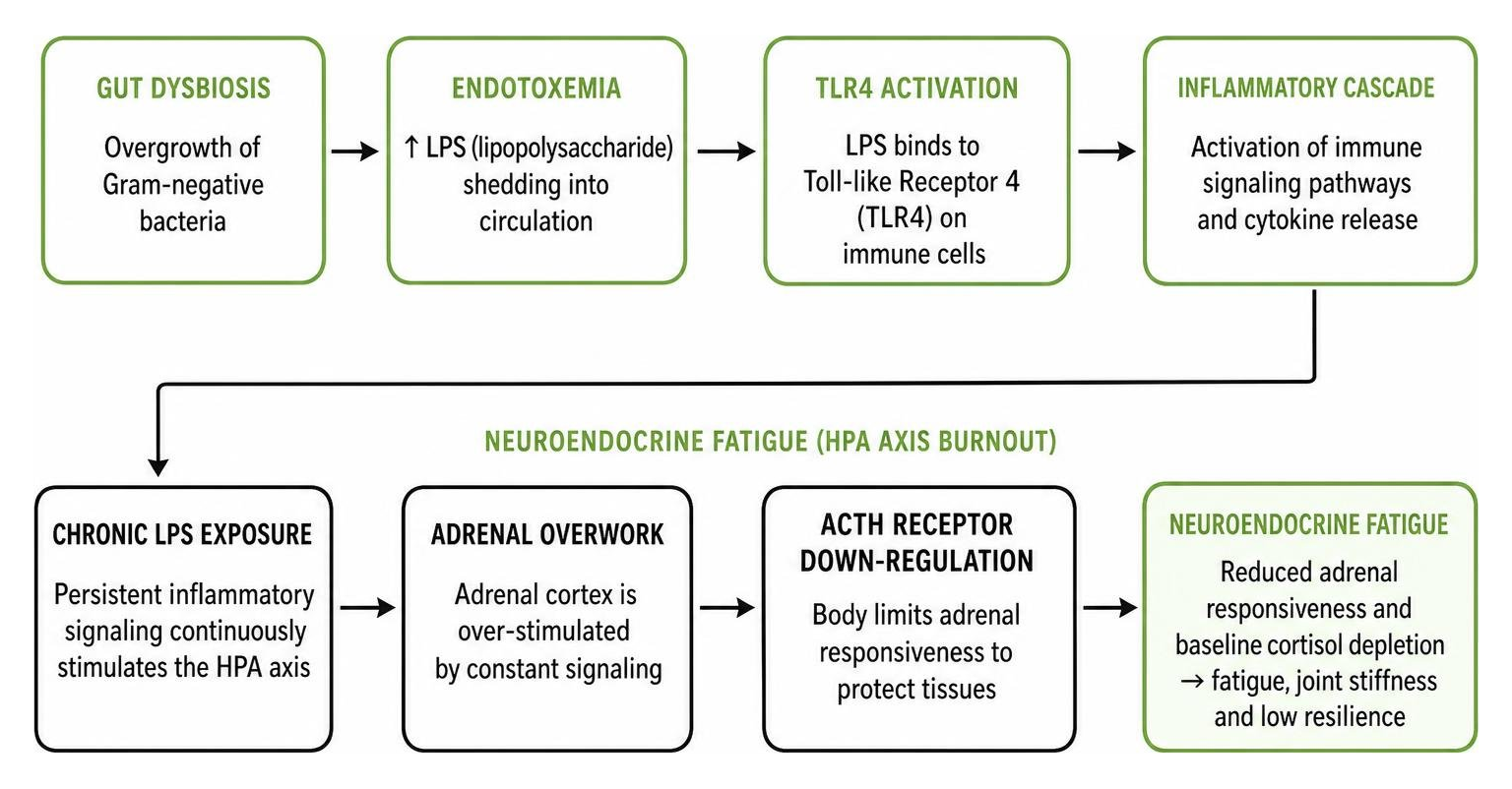
When dysbiosis involves an overgrowth of Gram-negative bacteria, lipopolysaccharide (LPS) shedding spikes. LPS molecules bind to Toll-like Receptor 4 (TLR4) on immune cells, triggering an inflammatory cascade.
In animal models, germ-free mice exhibit an exaggerated 2- to 3-fold increase in plasma corticosterone following restraint stress compared to specific-pathogen-free controls. However, colonization with beneficial microbes like Bifidobacterium infantis normalizes this hyper-reactivity.
In humans, chronic LPS exposure produces a similar pattern. Constant inflammatory signaling overworks the adrenal cortex until ACTH receptors down-regulate. The body limits adrenal responsiveness to protect tissues from prolonged steroid exposure, leaving you with baseline cortisol depletion, joint stiffness, and fatigue. Sustained inflammation control is therefore a core requirement for restoring endocrine equilibrium.
Functional Medicine Protocols for Gut and Adrenal Rehabilitation
Resolving gut-adrenal dysregulation requires an integrated strategy rather than addressing digestion and hormone symptoms in isolation.
At DocWanni, our virtual, evidence-based functional-medicine care focuses on identifying root causes through a personalized three-step mentorship program led by Dr. Peter Wannigman, a former pharmacist and pioneering California ND. By using targeted telehealth strategies, we systematically rebuild mucosal integrity, rebalance the microbiome, and calm HPA axis overdrive.
Comprehensive Functional Testing and Biomarker Analysis
Precise recovery begins with objective data. Rather than guessing, we evaluate the gut-adrenal axis using advanced functional medicine lab testing:
- Salivary & Urinary Diurnal Cortisol Profiling: A 4-point or 5-point test assessing free cortisol awakening response (CAR), total daily cortisol output, and DHEA-to-cortisol ratios.
- Comprehensive Stool Analysis (PCR & Metagenomics): Quantitative mapping of commensal balance, opportunistic pathobionts, inflammation markers (calprotectin), and secretory IgA.
- Intestinal Permeability Markers: Serum and stool zonulin, diamine oxidase (DAO), and LPS antibody levels to determine barrier compromise.
- Organic Acids Testing (OAT): Evaluates microbial dysbiosis metabolites, mitochondrial energy production, and central neurotransmitter turnover.
Restoring Adrenal Fatigue Gut Health Through Targeted Interventions
Rehabilitation follows a clinical sequence designed to re-establish physiological balance:
- Remove Inflammatory Triggers: Identify food sensitivities, clear gut pathobionts, and reduce exposure to refined sugars, alcohol, and environmental toxins.
- Replace Digestive Factors: Supplement with digestive enzymes, betaine HCl, or bile acids when endogenous digestive secretions have been reduced by chronic stress.
- Reinoculate Beneficial Flora: Introduce targeted prebiotic fibers (such as partially hydrolyzed guar gum and arabinogalactans) and evidence-backed probiotic strains (Bifidobacterium infantis, Lactobacillus rhamnosus) to increase short-chain fatty acids (SCFAs) like butyrate, which fuel the intestinal lining and modulate stress response pathways.
- Repair the Mucosal Barrier: Provide targeted nutritional compounds, such as L-glutamine, zinc carnosine, deglycyrrhizinated licorice (DGL), and soothing botanicals, to rebuild the tight junctions of the gut.
- Rebalance the Nervous System: Pair these gut protocols with clinical methods for resetting gut health alongside adaptogenic herbs (such as Ashwagandha and Rhodiola), circadian light optimization, and parasympathetic breathwork.
Frequently Asked Questions
Do gut microbes causally impact adrenal hormone production?
Yes. Large two-sample Mendelian randomization studies have identified 27 causal relationships between 23 gut bacterial genera and measures of adrenal function. Specific bacterial taxa influence glucocorticoids in the zona fasciculata, mineralocorticoids in the zona glomerulosa, and medullary peptides like adrenomedullin.
Can treating IBS and gut dysbiosis resolve chronic fatigue?
Addressing gut dysbiosis, reducing mucosal inflammation, and repairing intestinal hyperpermeability removes a continuous inflammatory driver of HPA axis activation. As circulating LPS and pro-inflammatory cytokines decrease, ACTH sensitivity normalizes, often leading to measurable improvements in daily energy and cognitive clarity.
What functional lab tests evaluate both adrenal and microbiome function?
A thorough evaluation includes a 4-point salivary cortisol and DHEA profile, dried urine hormone testing (DUTCH), comprehensive stool sequencing, and markers of intestinal permeability (such as zonulin and anti-LPS antibodies).
Conclusion
The connection between digestive health and endocrine balance is real, measurable, and biologically complex. When you struggle with IBS alongside persistent burnout, your gut microbiome and adrenal glands are rarely operating in isolation. They communicate constantly via microbial enzymes, circulating cytokines, and neuroendocrine feedback loops.
By shifting away from temporary symptom management and applying evidence-based functional medicine, you can identify underlying dysbiosis, calm chronic immune activation, and support your body’s natural stress response. Explore comprehensive care with DocWanni to build a personalized, root-cause path back to digestive comfort and long-term vitality.
Ready to address the root cause of your fatigue?
Book a free discovery call to talk through your symptoms, prior testing, and whether a gut-focused, root-cause approach makes sense for your situation.
Book a Free Discovery CallDisclaimer: This article is for general educational purposes only and is not a substitute for medical advice, diagnosis, or treatment. A practitioner-patient relationship is not established until formally accepted by the practice. Never start, stop, or change any prescribed medication or treatment without speaking with the prescribing clinician.