
When a Chronic Fatigue Gut Doctor May Help: The Gut-Brain Axis and Root-Cause Care

Reviewed by Dr. Peter Wannigman, ND. Reviewed September 2026.
When a Chronic Fatigue Gut Doctor May Help
A doctor focused on assessing chronic fatigue and gut issues can help assess whether digestive symptoms, diet, inflammation, nutrient absorption, or microbiome changes may be adding to your fatigue. This is most useful when exhaustion occurs alongside bloating, bowel changes, food sensitivity symptoms, brain fog, or irritable bowel syndrome-like discomfort.
A good evaluation should not assume the gut is the only cause. It should:
- Screen for common medical causes of fatigue and review medications.
- Assess myalgic encephalomyelitis/chronic fatigue syndrome (ME/CFS) symptoms, especially post-exertional malaise, sleep problems, and cognitive changes.
- Review gut symptoms and consider appropriate stool, blood, or nutrition testing when clinically useful.
- Build a cautious plan around food, symptom pacing, sleep, stress, and targeted treatment.
ME/CFS is a serious, often disabling condition that may affect 836,000 to 3.3 million people in the United States. The Centers for Disease Control and Prevention (CDC) also estimates that about 90% of people with ME/CFS have not been diagnosed. Women are affected more often than men.
Research increasingly links ME/CFS with changes in gut microbial diversity, lower levels of some butyrate-producing bacteria, and immune signals associated with gut-barrier disruption. These findings are promising, but they do not mean a stool test can diagnose ME/CFS or that probiotics cure it. They do give patients and specialists a clearer reason to look at the gut as one part of a whole-body assessment.
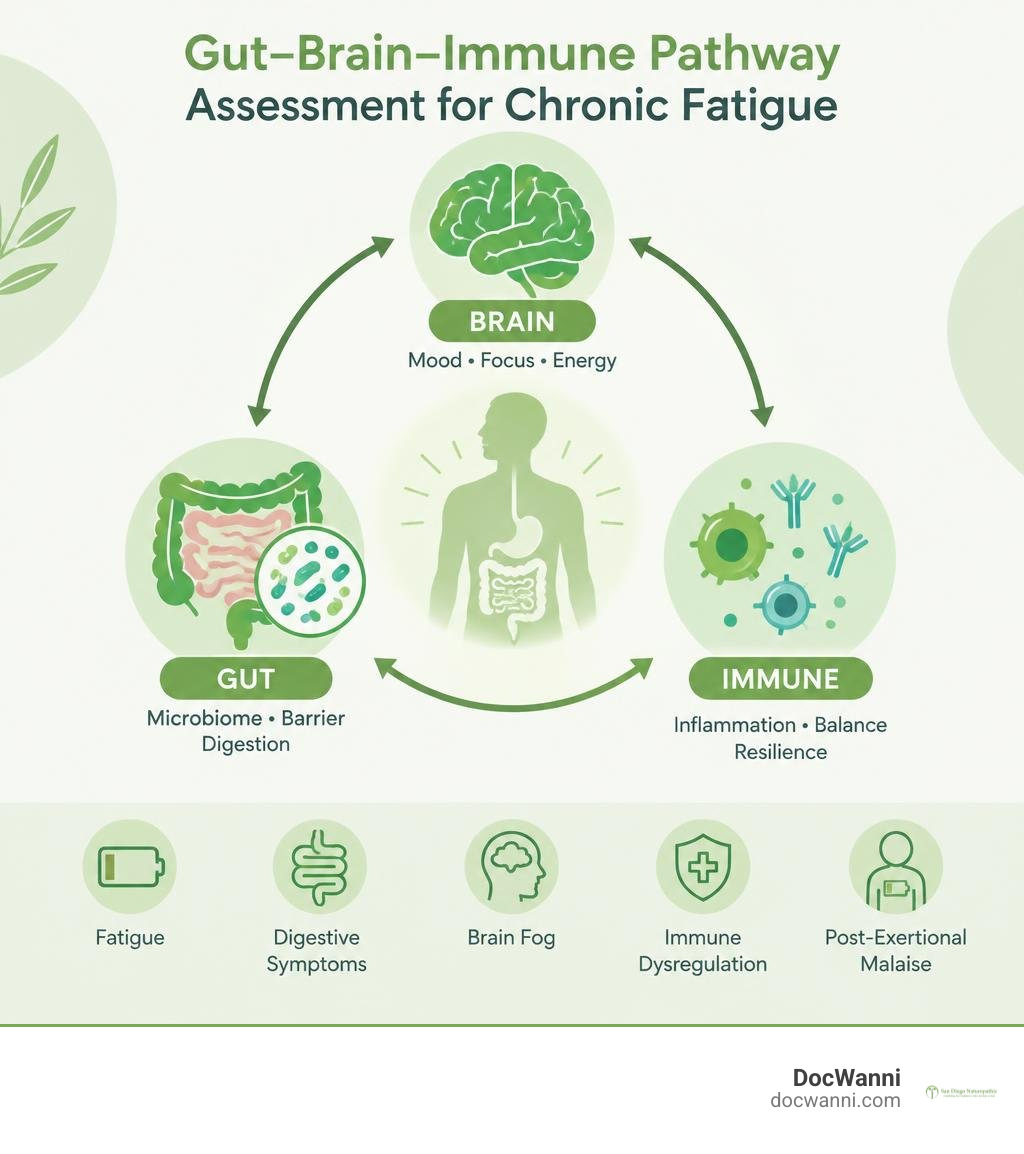
The Gut-Brain Axis: How Microbiome Disruption Drives Chronic Fatigue
The human gastrointestinal tract is home to roughly one hundred trillion microorganisms, a complex ecosystem whose collective genetic output dwarfs our own. When functioning properly, this internal world works seamlessly with our central nervous system via the gut-brain axis. In individuals suffering from debilitating, systemic exhaustion, this communication network is frequently compromised (Varesi et al., 2021).

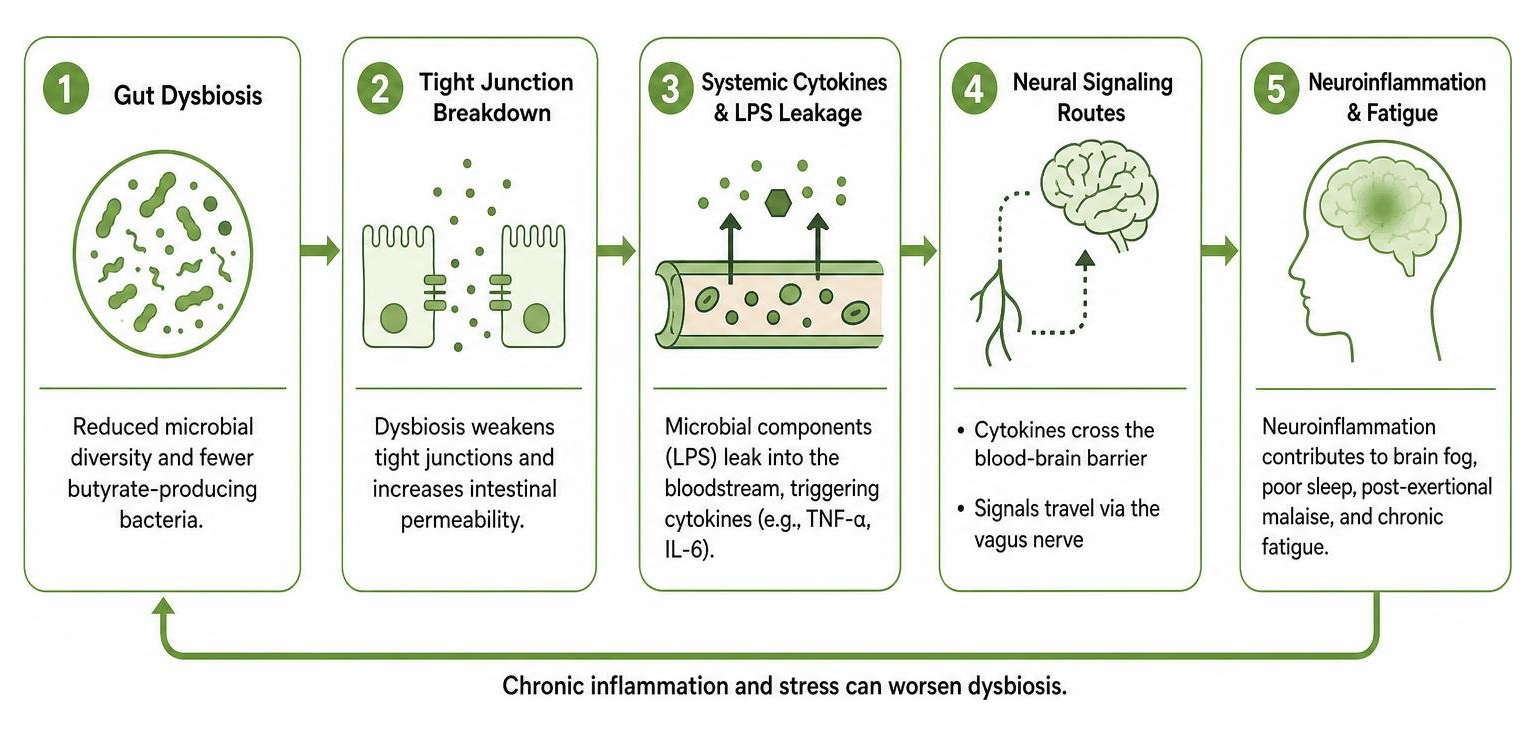
When gut microbial diversity plummets, a state known as dysbiosis occurs. Dysbiosis destabilizes the intestinal mucosal barrier, weakening the tight junction proteins (such as occludin and zonula occludens-1) that normally prevent foreign elements from entering circulation. Research detailed in The Emerging Role of Gut Microbiota in ME/CFS demonstrates that increased intestinal permeability allows microbial components to interact directly with gut-associated lymphoid tissue.
This barrier breach activates a sustained immune response. The resulting cascade releases systemic cytokines, such as tumor necrosis factor alpha (TNF-alpha) and interleukin-6 (IL-6), which travel across the blood-brain barrier or signal directly through the vagus nerve. This neuroinflammatory state can contribute to post-exertional malaise, cognitive impairment ("brain fog"), and non-restorative sleep (Lakhan & Kirchgessner, 2010).
What a Chronic Fatigue Gut Doctor Looks for in Dysbiosis
Specialists evaluating microbial ecology analyze specific bacterial phyla and their relative abundance. In healthy individuals, the microbiome maintains a balanced equilibrium, primarily dominated by Firmicutes and Bacteroidetes. In individuals presenting with chronic fatigue and co-occurring gut issues, this balance is regularly distorted.
Key dysbiotic patterns frequently observed include:
- Depleted Beneficial Phyla: Significant reductions in Firmicutes species, particularly those tasked with generating anti-inflammatory metabolites.
- Elevated Bacteroidetes Ratios: Shifts in dominant phyla that skew baseline metabolic functions.
- Overgrowth of Enterobacteriaceae: Proliferation of pro-inflammatory aerobic bacteria, which disrupts anaerobic homeostasis.
- Prevalence of Overlapping Disorders: Patients with ME/CFS have higher rates of irritable bowel syndrome (IBS) diagnoses, accompanied by severe abdominal discomfort, irregular motility, and loss of appetite.
Bacterial Translocation and Leaky Gut Pathophysiology
Under normal physiological conditions, lipopolysaccharide (LPS), a structural component found in the outer membrane of Gram-negative bacteria, remains safely sequestered inside the intestinal lumen. When tight junctions degrade, LPS translocates across the mucosal barrier into the bloodstream, a phenomenon known as metabolic endotoxemia (Lakhan & Kirchgessner, 2010).
Studies have documented that serum LPS and specific antibodies, immunoglobulin A (IgA) and immunoglobulin M (IgM) antibodies against LPS, are elevated in ME/CFS patients compared to healthy controls, with titers correlating with clinical fatigue scores. This persistent endotoxin influx triggers an ongoing systemic inflammatory response, exhausting immune defenses and compounding cellular fatigue. Managing this requires a dedicated inflammation control approach that targets the intestinal barrier directly.
Why Consulting a Chronic Fatigue Gut Doctor Uncovers Root Causes
The standard diagnostic pathway for persistent exhaustion often leaves individuals feeling dismissed. Patients undergo standard blood work, only to be told everything appears unremarkable despite their severe physical limitations. Evaluating unexplained chronic fatigue requires investigating functional, subclinical imbalances that routine lab tests fail to detect.
| Diagnostic Marker / Test Area | Standard Routine Lab Panels | Functional Microbiome & Metabolic Profiling |
|---|---|---|
| Microbial Ecology | Stool culture (detects only severe acute pathogens) | Metagenomic DNA sequencing (quantifies diversity and bacterial phyla) |
| Intestinal Permeability | Rarely evaluated | Serum LPS antibodies, zonulin, and mucosal barrier markers |
| Metabolic Output | Basic metabolic panel (electrolytes, glucose) | Organic acid testing (SCFA levels and ATP intermediates) |
| Mitochondrial Nutrients | Serum iron, basic vitamin B12 | Cellular coenzyme Q10, intracellular micronutrients, and antioxidant reserves |
| Immune Activation | Standard ESR and basic CRP | High-sensitivity inflammatory cytokines and immune-cell profiles |
Specialized Diagnostics: Beyond Standard Blood Panels
Standard diagnostic testing was designed to capture acute organ failure or overt pathology, not subtle metabolic disruptions. Experiencing normal lab results despite exhaustion is a common hurdle for ME/CFS patients.
Functional diagnostics assess metabolic pathways to reveal:
- Organic Acid Testing (OAT): Evaluates urinary metabolites to assess mitochondrial energy production, neurotransmitter breakdown, and fungal or bacterial overgrowths.
- Coenzyme Q10 Levels: Clinical data shows that over 40% of patients with chronic fatigue syndrome (CFS) exhibit CoQ10 values below the lowest threshold observed in healthy controls.
- Comprehensive Functional Testing: Through advanced functional medicine lab testing, clinicians can map metabolic bottlenecks that restrict cellular respiration.
Targeted Stool Sequencing
Advanced stool diagnostics have evolved beyond traditional agar-plate cultures. Modern clinical evaluations utilize high-resolution shotgun metagenomics and 16S ribosomal RNA gene sequencing to map the functional capacity of the microflora.

Emerging artificial intelligence (AI) bio-mapping platforms analyzing stool DNA alongside inflammatory markers have differentiated ME/CFS patients from healthy individuals with up to 83% to 90% diagnostic accuracy. By identifying missing anti-inflammatory species and unmasking hidden pathogens, these tools help uncover the hidden causes of fatigue that traditional approaches miss.
Critical Biomarkers: Short-Chain Fatty Acids, LPS, and Immune Signaling
The chemical dialogue between your gut and your energy production depends heavily on SCFAs. These molecules, primarily acetate, propionate, and butyrate, are manufactured when beneficial bacteria ferment dietary fibers in the colon.
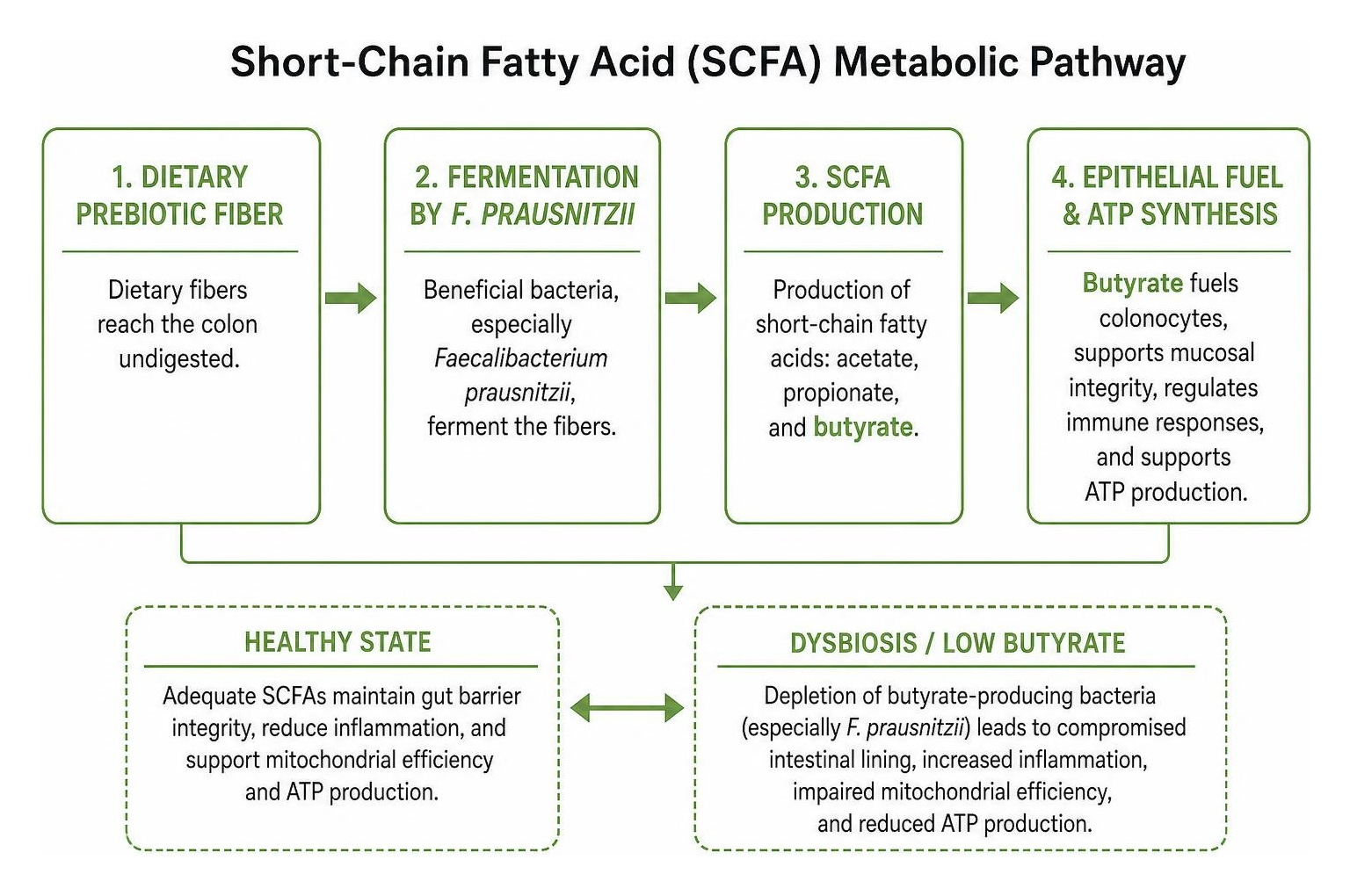
Among these, butyrate serves as the primary fuel source for colonocytes (the cells lining your colon), maintaining mucosal integrity, regulating immune responses, and dampening systemic inflammation (Varesi et al., 2021). In individuals with chronic fatigue, key butyrate-producing species, most notably Faecalibacterium prausnitzii, are consistently depleted. Without adequate butyrate, the intestinal lining becomes compromised, impairing mitochondrial efficiency and ATP production. Restoring these pathways requires a comprehensive gut health approach.
Endotoxemia and Immune Cell Alterations
The presence of circulating endotoxins does more than trigger low-grade fever or malaise; it fundamentally alters circulating immune cells.
- Mucosal-associated invariant T (MAIT) cell dysregulation: These cells respond to bacterial metabolites and show distinct activation and exhaustion profiles in chronic fatigue cohorts, serving as strong indicators of symptom severity.
- Oxidative and nitrosative stress: Chronic endotoxemia drives the overproduction of reactive oxygen species (ROS), overwhelming endogenous antioxidant defenses.
- Tryptophan pathway diversion: Systemic inflammation diverts tryptophan away from serotonin and melatonin synthesis into the kynurenine pathway, generating neurotoxic metabolites that aggravate central fatigue and sleep fragmentation.
Mitochondrial Disruption and Nutrient Malabsorption
Mitochondria generate more than 90% of the energy our cells require. When the gut is inflamed, nutrient assimilation suffers:
- Micronutrient Deficiencies: Malabsorption of critical cofactors, such as B vitamins, magnesium, and zinc, starves the Krebs cycle of the substrates needed to create ATP.
- Lactic Acid Accumulation: Mitochondrial dysfunction impairs aerobic respiration, forcing cells into inefficient anaerobic pathways that produce excess lactic acid, explaining why minor physical exertion can lead to prolonged crashes.
Evidence-Based Clinical Protocols for Gut Restoration
Addressing gut-mediated chronic fatigue requires an intentional, staged protocol that calms inflammation, eliminates microbial stressors, and restores metabolic pathways.
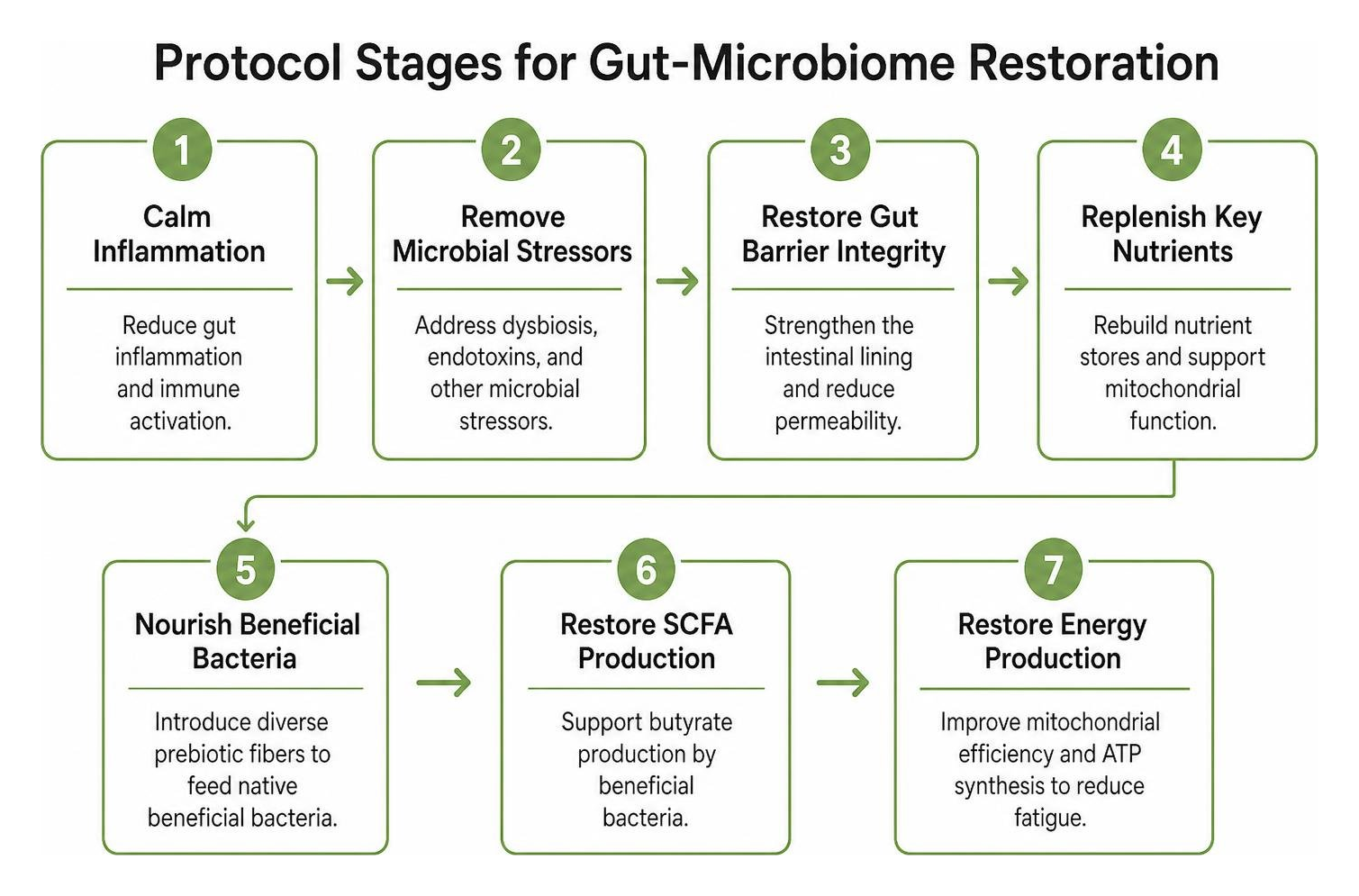
Practical nutritional interventions include:
- Implementing Anti-Inflammatory Nutrition: Emphasizing nutrient-dense whole foods while eliminating individual dietary triggers identified via clinical assessment.
- Modulating Fermentable Carbohydrates: Utilizing a short-term, structured low-FODMAP diet when small intestinal bacterial overgrowth (SIBO) or severe IBS co-occurs.
- Expanding Prebiotic Diversity: Gradual reintroduction of soluble fibers (such as partially hydrolyzed guar gum and acacia) to nourish native butyrate producers.
- Increasing Polyphenol Intake: Consuming deeply pigmented plant foods (berries, pomegranate, green tea) to promote the growth of beneficial taxa like Akkermansia muciniphila.
- Structured Reset Protocols: Incorporating structured guidance via effective methods for resetting gut health to support the gut mucosa.
Targeted Probiotics and Microbial Rebalancing
Probiotic interventions must be approached with clinical precision; generic, high-dose formulas can sometimes aggravate symptoms in patients with compromised gut motility.
Research highlights specific strains for restoring balance:
- Bifidobacterium infantis 35624: Shown in clinical trials to reduce systemic pro-inflammatory cytokines (such as TNF-alpha and CRP) while stabilizing mucosal barrier function (Varesi et al., 2021).
- Lactobacillus casei Shirota: Demonstrated to modulate the gut-brain axis, significantly reducing anxiety markers and increasing beneficial Bifidobacteria levels (Lakhan & Kirchgessner, 2010).
- Lactobacillus sakei: Associated with improvements in intestinal tight junction integrity and reductions in post-exertional fatigue scores (Varesi et al., 2021).
Gut Mucosa Repair and Lifestyle Interventions
Rebuilding the mucosal barrier and restoring autonomic balance requires targeted mucosal nutrients alongside foundational lifestyle support:
- L-Glutamine and Zinc Carnosine: Directly fuel enterocytes and support tight junction assembly.
- Vagal Nerve Activation: Deep diaphragmatic breathing, gargling, and gentle cold exposure stimulate parasympathetic activity to improve gut motility and digestive secretions.
- Circadian and Sleep Alignment: Syncing light exposure and meal timing with circadian biology reinforces the rhythm of the gut microbiome.
Frequently Asked Questions about Gut Health and Chronic Fatigue
Can gut inflammation cause severe chronic fatigue?
Yes. Chronic mucosal inflammation weakens intestinal tight junctions, allowing bacterial endotoxins (such as LPS) to enter the bloodstream (Lakhan & Kirchgessner, 2010). This triggers systemic immune activation, releasing pro-inflammatory cytokines that cross into the central nervous system, driving neuroinflammation, post-exertional malaise, and persistent exhaustion (Varesi et al., 2021).
How do specialists test for gut-related chronic fatigue?
Specialists evaluate gut-driven fatigue using advanced functional diagnostics rather than relying solely on basic blood tests. These include high-resolution metagenomic stool sequencing (to assess microbial diversity and dysbiosis), serum zonulin and LPS antibody testing (to measure intestinal permeability), and urinary organic acid panels (to evaluate mitochondrial metabolism and microbial byproducts).
How long does gut microbiome restoration take to improve energy?
Microbial rebalancing and mucosal barrier repair typically follow a progressive timeline. While initial improvements in digestion, bloating, and acute brain fog may appear within 4 to 8 weeks, deeper mitochondrial recovery, immune stabilization, and sustained cellular energy often require 3 to 6 months of targeted, consistent clinical support.
Conclusion
Chronic fatigue is not an imagined illness, nor is it simply a consequence of a busy life. Emerging scientific evidence confirms that the gut microbiome, mucosal barrier integrity, and mitochondrial energy production are intimately linked (Varesi et al., 2021). When microbial ecology is disrupted, the resulting cascade of endotoxemia and systemic inflammation can disrupt energy metabolism throughout the entire body (Lakhan & Kirchgessner, 2010).
At DocWanni, we offer virtual, evidence-based care designed to uncover the root causes of complex, persistent health challenges. Led by Dr. Peter Wannigman, a former compounding pharmacist and pioneering California Naturopathic Doctor, our personalized three-step mentorship program identifies underlying drivers and delivers structured, measurable recovery pathways via telehealth.
If you are ready to move past temporary fixes and investigate what your gut and cellular pathways are trying to tell you, schedule your comprehensive virtual consultation today.
Ready to uncover the root cause of your fatigue?
Book a free discovery call to talk through your symptoms, prior testing, and whether a gut-focused, root-cause approach makes sense for your situation.
Book a Free Discovery CallScientific References
Lakhan SE, Kirchgessner A. "Gut inflammation in chronic fatigue syndrome." Nutrition & Metabolism, 2010. PMCID PMC2964729.
Varesi A, Deumer US, Ananth S, Ricevuti G. "The Emerging Role of Gut Microbiota in Myalgic Encephalomyelitis/Chronic Fatigue Syndrome (ME/CFS): Current Evidence and Potential Therapeutic Applications." Journal of Clinical Medicine, 2021. PMCID PMC8584653.
Disclaimer: This article is for general educational purposes only and is not a substitute for medical advice, diagnosis, or treatment. A practitioner-patient relationship is not established until formally accepted by the practice. Never start, stop, or change any prescribed medication without speaking with the prescribing clinician.