
Find the Right Gut Health Doctor for Persistent Symptoms

Reviewed by Dr. Peter Wannigman, ND. Reviewed September 2026.
Find the Right Gut Health Doctor for Persistent Symptoms
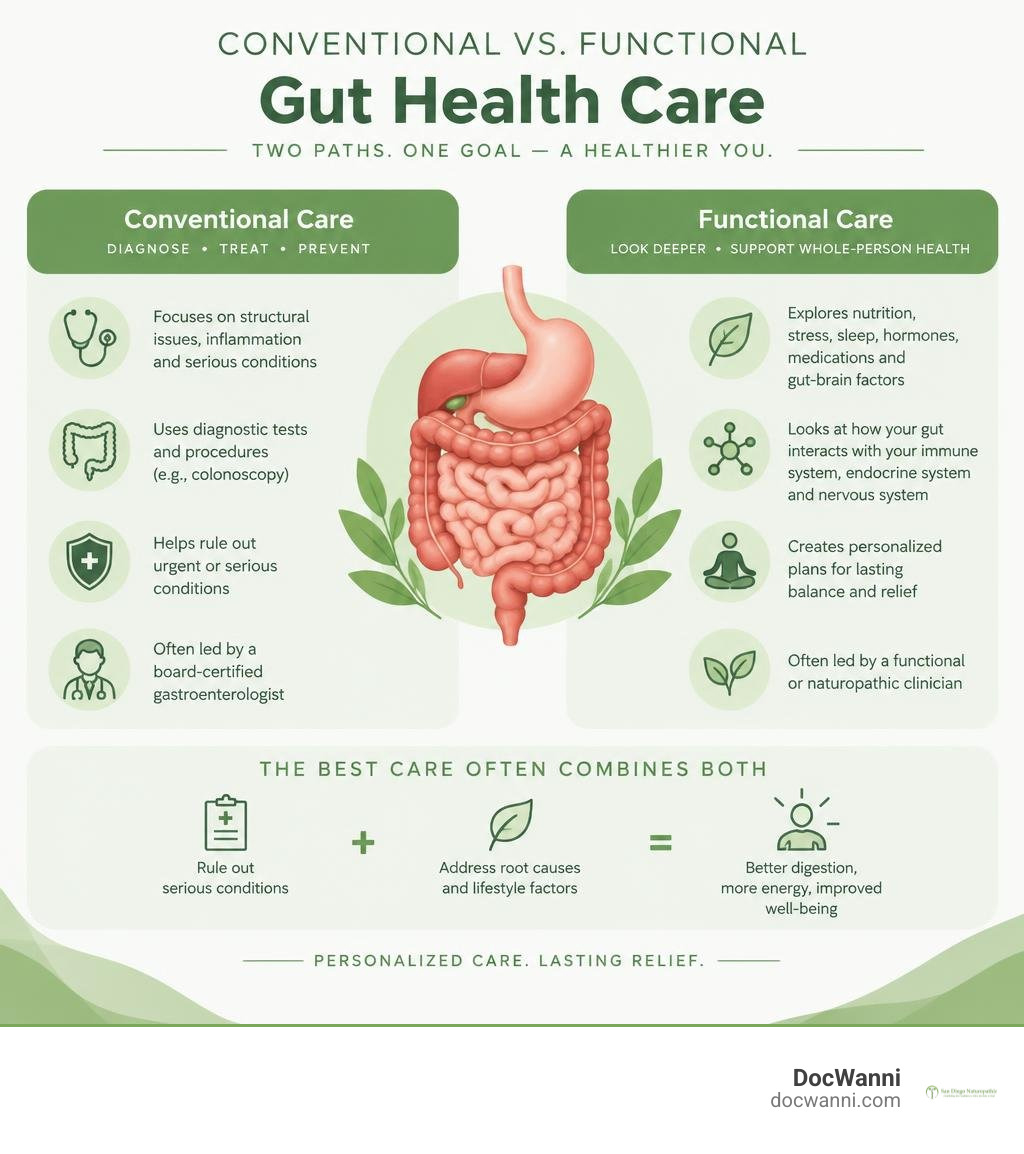
A gut health doctor can help when bloating, constipation, diarrhea, reflux, abdominal pain, fatigue, or brain fog keep coming back. Start by choosing the type of care that fits your needs:
- See a board-certified gastroenterologist for red-flag symptoms, colon cancer screening, suspected inflammatory bowel disease, bleeding, severe pain, or a need for procedures such as endoscopy or colonoscopy.
- Consider a functional or naturopathic clinician when you want a deeper review of nutrition, stress, sleep, hormones, medications, and possible gut-brain factors alongside standard medical care.
- Verify credentials, testing methods, telehealth options, costs, and insurance coverage before you book.
The best fit is not always one type of provider. Many people benefit from conventional diagnostics to rule out serious disease, plus a whole-person plan that addresses diet, lifestyle, and recurring symptoms such as IBS.
This guide compares these paths so you can make a clearer choice and prepare for a productive first visit. We are DocWanni, and we help patients explore personalized, root-cause support for digestive health.
What Does a Gut Health Doctor Do and When Should You See One?
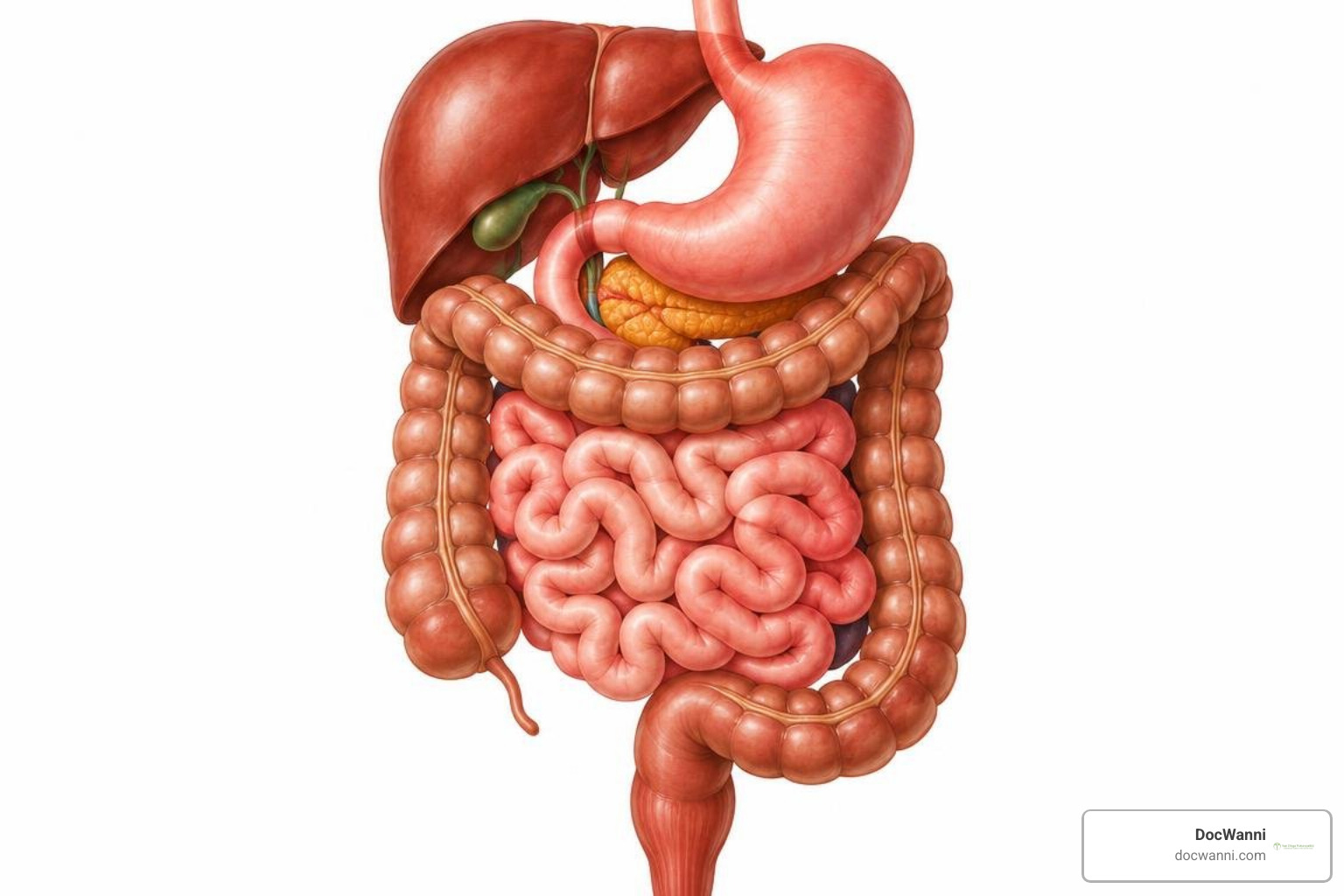
Navigating persistent digestive discomfort can feel overwhelming. A gut health doctor specializes in diagnosing, managing, and resolving issues that originate in the gastrointestinal (GI) tract. While conventional gastroenterologists excel at identifying acute structural abnormalities, inflammation, and malignancies, functional and naturopathic gut doctors evaluate how your digestive system interacts with your immune system, endocrine balance, and nervous system.
Many people reach out to a digestive specialist after months, or even years, of living with chronic gut issues. These often manifest as daily abdominal cramping, persistent gas, unpredictable bowel habits, or severe acid reflux. A qualified practitioner works to identify whether your symptoms stem from conditions such as irritable bowel syndrome (IBS), small intestinal bacterial overgrowth (SIBO), inflammatory bowel disease (IBD such as Crohn’s disease or ulcerative colitis), or celiac disease.
When addressing chronic discomfort, practitioners often guide patients through effective methods for resetting gut health, which may involve eliminating inflammatory triggers, rebalancing microbiome diversity, and repairing the intestinal lining.
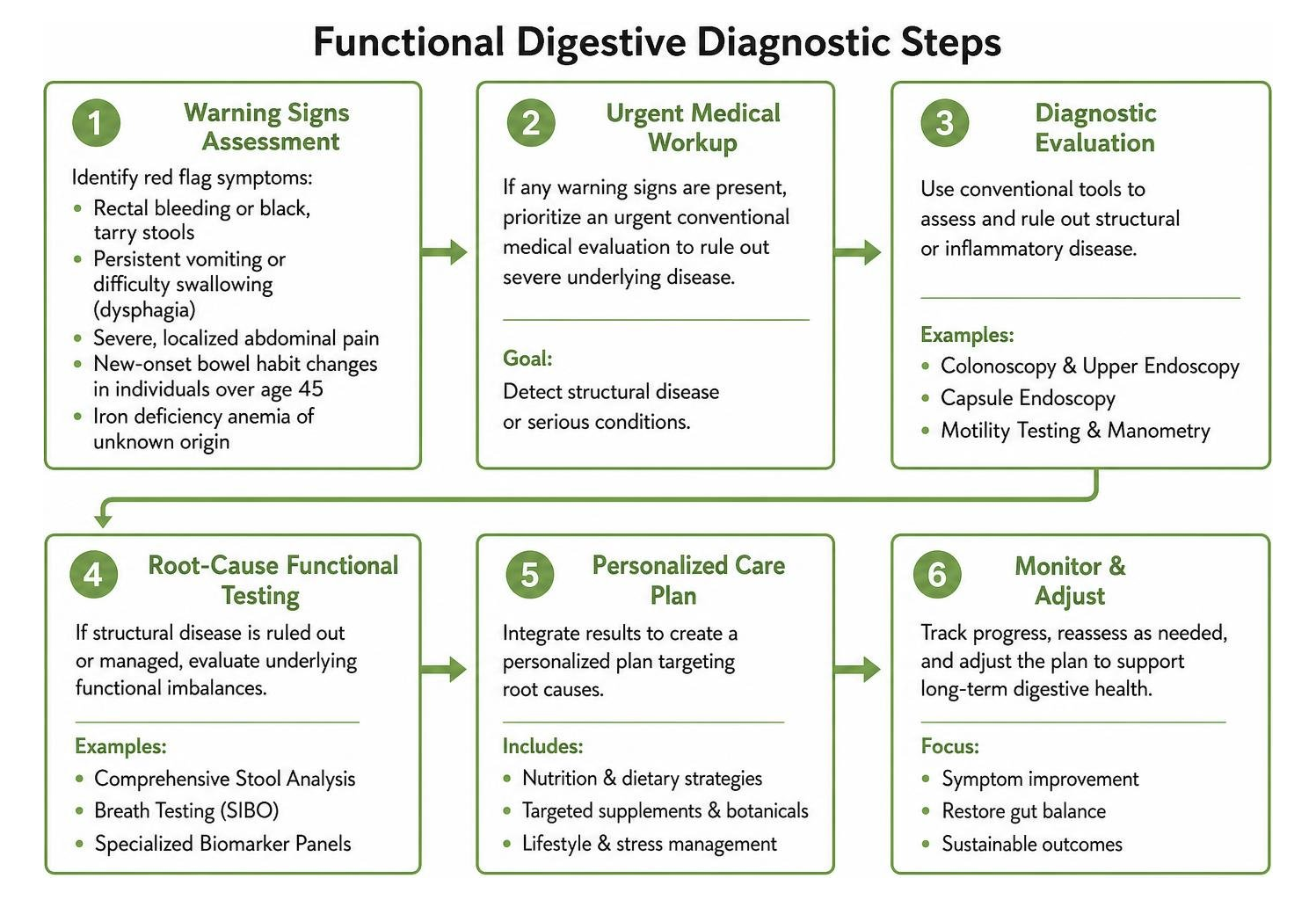
However, certain “red flag” symptoms demand immediate evaluation by a conventional medical gastroenterologist. These include:
- Unexplained weight loss
- Rectal bleeding or black, tarry stools
- Persistent vomiting or difficulty swallowing (dysphagia)
- Severe, localized abdominal pain
- New-onset bowel habit changes in individuals over age 45
- Iron deficiency anemia of unknown origin
If you experience any of these warning signs, an urgent conventional medical workup is essential to rule out severe underlying disease before pursuing functional wellness protocols.
Evaluating Credentials and Qualifications of a Gut Health Doctor
Not all practitioners who focus on gut health hold the same qualifications. Understanding a doctor’s training helps ensure you receive safe, evidence-based care.
- Conventional Gastroenterologists (MD/DO): These physicians complete a four-year medical degree, followed by a three-year residency in Internal Medicine, and a three-year specialized fellowship in Gastroenterology and Hepatology. They hold board certifications from entities like the American Board of Internal Medicine (ABIM) and maintain active memberships in organizations such as the American College of Gastroenterology (ACG) or the American Gastroenterological Association (AGA).
- Naturopathic Doctors (ND): Licensed Naturopathic Doctors attend accredited four-year, graduate-level medical schools recognized by the Council on Naturopathic Medical Education (CNME). They study conventional medical sciences alongside clinical nutrition, botanical medicine, and behavioral health. When choosing an ND, ensure they hold a state medical license and practice accredited naturopathic medicine.
- Functional Medicine Practitioners: Clinicians with existing medical credentials (such as MDs, DOs, NDs, or licensed pharmacists) often obtain post-graduate functional medicine certifications from institutions like the Institute for Functional Medicine (IFM). This training focuses on systems biology and identifying root-cause biochemical imbalances.
Diagnostics and Therapeutic Procedures Offered
Conventional and functional practitioners use distinct but complementary diagnostic tools:
Endoscopic and Imaging Procedures (Conventional):
- Colonoscopy and Upper Endoscopy (EGD): Essential for visualizing the mucosal lining, collecting tissue biopsies, screening for colorectal cancer, and identifying ulcers, celiac disease, or IBD.
- Capsule Endoscopy: A swallowed miniature camera used to evaluate the small intestine for bleeding or Crohn’s lesions.
- Motility Testing & Manometry: Evaluates muscle contractions within the esophagus or rectum to diagnose severe transit disorders.
Functional Laboratory Testing (Root-Cause & Integrative):
- Comprehensive Stool Analysis: Utilizing DNA PCR and culture testing to assess microbiome diversity, detect dysbiosis, identify opportunistic pathogens, and measure markers of intestinal inflammation (calprotectin) and mucosal immunity (secretory IgA).
- Breath Testing: Lactulose and glucose breath testing to quantify hydrogen and methane gases produced by bacteria in the small intestine, confirming or ruling out SIBO.
- Specialized Biomarker Panels: Comprehensive functional medicine lab testing evaluates intestinal permeability (zonulin), food sensitivities, organic acids, and micronutrient deficiencies.
Comparing Approaches: Conventional Care and Functional Medicine
Choosing between conventional gastroenterology and functional medicine depends largely on your diagnostic needs and long-term health goals.
Conventional gastroenterology is designed to detect and treat acute structural diseases, prevent cancer through regular screenings, and manage advanced inflammatory conditions using pharmaceutical therapies, biologics, and surgical interventions. In contrast, virtual functional medicine practices aim to address chronic functional disorders (such as IBS, dysbiosis, and chronic bloating) through personalized nutritional mentorship, targeted botanical protocols, and lifestyle adjustments.
| Care Dimension | Conventional Gastroenterology | Functional & Naturopathic Care |
|---|---|---|
| Primary Focus | Acute pathology, structural disease, cancer screening, symptom suppression | Root-cause resolution, microbiome balance, systemic interactions |
| Primary Tools | Endoscopy, colonoscopy, pharmaceuticals, surgical interventions | Comprehensive functional testing, clinical nutrition, botanical medicine |
| Consultation Format | In-person clinic visits and hospital-based procedural suites | In-depth virtual consultations and continuous telehealth mentorship |
| Diet & Lifestyle Focus | General guidance or referral to a standard clinical dietitian | Tailored nutritional protocols, sleep hygiene, and stress modulation |
| Insurance Model | Predominantly in-network commercial insurance and Medicare | Cash-pay transparent programs; possible FSA/HSA reimbursement |
Gut-Brain Connection and Lifestyle Integration
Modern gastroenterology increasingly acknowledges the gut-brain axis, the bidirectional communication network linking the central nervous system with the enteric nervous system. When psychological stress or chronic anxiety occurs, it alters GI motility, increases intestinal permeability, and triggers hypersensitivity in visceral nerves.
This mechanism explains why stress often exacerbates conditions like functional dyspepsia and IBS. Research demonstrates that addressing emotional health directly influences gut motility and digestive secretions. Furthermore, exploring the role of gut health in managing anxiety highlights how neurotransmitters like serotonin, roughly 90% of which is produced in the digestive tract, depend on a balanced microbiome.
Because your gut houses over 70% of your body’s immune cells within the gut-associated lymphoid tissue (GALT), balancing your microbiome is also foundational for broader immune defense. Learning why gut health matters for your immune system clarifies how chronic gut inflammation can trigger systemic immune responses and autoimmune reactivity.
Holistic and Root-Cause GI Treatment Models
A comprehensive functional plan avoids one-size-fits-all treatments. Instead, an evidence-based gut health approach integrates several core pillars:
- Targeted Nutritional Protocols: Utilizing structured elimination diets, low-FODMAP plans, or anti-inflammatory Mediterranean dietary patterns to identify specific food triggers while restoring nutrient density.
- Gentle Motility Support: Implementing natural remedies for relieving constipation, such as magnesium glycinate, prokinetic herbs (ginger and artichoke extract), and targeted soluble fiber, to maintain daily bowel regularity without creating laxative dependency.
- Microbiome Restoration: Prescribing evidence-based spore probiotics, prebiotic fibers, and short-chain fatty acid (SCFA) promoters like sodium butyrate to rebuild the gut mucosal barrier.
- Structured Lifestyle Programs: Through comprehensive wellness programs, patients receive ongoing clinical oversight, lifestyle accountability, and iterative protocol refinements that support sustained recovery.
How to Choose the Right Specialist for Your Digestive Health

Selecting the right specialist requires evaluating clinical expertise, communication style, and practice structure. You want a provider who actively listens, investigates complex symptom histories, and treats a wide spectrum of conditions rather than simply offering temporary band-aids.
Practice settings also play a major role in your experience:
- Academic Medical Centers: Large institutions offer cutting-edge clinical trials, specialized multidisciplinary clinics (such as dedicated women’s GI or IBD centers), and high-volume procedural expertise. However, appointments may feel shorter, and wait times can extend several months.
- Community Practices: Regional clinics often provide accessible, personalized local care for routine screenings and standard management.
- Virtual Functional Practices: Telehealth-first practices emphasize unhurried consultations, comprehensive lifestyle mapping, and direct provider access between visits, making them ideal for managing chronic functional disorders.
Navigating Insurance, Out-of-Pocket Costs, and Network Coverage
Financial planning is an important step when seeking specialized digestive care:
Conventional Practice Billing:
Most hospital-affiliated and private-practice gastroenterologists participate in commercial insurance networks (such as Aetna, Blue Shield, Cigna, and UnitedHealthcare) and Medicare. Before scheduling, call both the provider’s billing department and your insurance provider to confirm:
- In-network status for both the physician and the facility (hospital vs. ambulatory surgical center).
- Specialist copays, deductibles, and co-insurance obligations.
- Prior authorization requirements for procedures like colonoscopies or specialized medications.
Functional and Naturopathic Care Costs:
Many functional medicine and licensed naturopathic doctors operate outside of standard insurance networks to avoid restrictive time limits on patient visits. While consultations and specialized functional labs are typically out-of-pocket, they frequently qualify for Health Savings Account (HSA) or Flexible Spending Account (FSA) funds. Always ask for upfront fee schedules to ensure clear expectations.
How to Prepare for Your First Gut Health Doctor Consultation
Arriving prepared helps maximize the value of your clinical consultation. We recommend taking these proactive steps:
- Maintain a 7-Day Symptom and Food Log: Record everything you eat and drink, along with the timing, severity, and nature of your digestive symptoms. Note bowel movement consistency using the Bristol Stool Chart.
- Compile Medical Records: Gather previous lab results, colonoscopy or endoscopy pathology reports, imaging studies (CT scans, ultrasounds), and breath test results.
- List All Current Medications and Supplements: Include exact brand names, dosages, and how long you have taken each product.
- Formulate Specific Questions: Write down your primary goals, questions about potential root causes, and your preferences regarding dietary vs. pharmaceutical therapies.
- Engage Behavioral Support: Consider working with dedicated wellness coaching to help implement nutritional shifts, manage stress, and track your daily habits effectively.
Frequently Asked Questions About Gut Health Specialists
What is the difference between a conventional digestive specialist and a functional gut doctor?
A conventional digestive specialist (gastroenterologist) focuses primarily on identifying and treating acute pathology, structural damage, and high-risk diseases using endoscopic tools, prescription drugs, and surgery. A functional gut doctor focuses on identifying underlying physiological imbalances, dysbiosis, food sensitivities, and lifestyle factors to restore optimal digestive function using nutrition, lifestyle medicine, and targeted natural therapies.
How do patient reviews and satisfaction ratings reflect clinical care quality?
Patient reviews, such as standardized Press Ganey scores, often reflect a clinician’s bedside manner, diagnostic thoroughness, active listening skills, and clarity when explaining treatment plans. High ratings across hundreds of reviews typically indicate that a provider takes time to review comprehensive medical histories and values shared decision-making.
When should someone seek advanced functional digestive testing?
You should consider advanced functional testing if you experience chronic bloating, gas, irregular bowel habits, unexplained fatigue, or food intolerances, and your conventional blood work and endoscopies have returned “normal.” Functional stool analyses and breath tests evaluate microbial imbalances and digestive function that standard imaging may not detect.
Conclusion
Finding long-term relief from chronic digestive distress requires a thoughtful, individualized strategy. Whether you require conventional diagnostics to evaluate structural symptoms or root-cause functional medicine to resolve persistent dysbiosis, taking a proactive approach to your digestive wellness is the first step toward reclaiming your energy and vitality.
If you are ready to explore root-cause digestive recovery, our team at DocWanni offers virtual, evidence-based care tailored to your unique biology. Learn more about our specialized integrative digestive health services or start your journey to optimal digestive wellness by scheduling your comprehensive consultation today.
Ready to find the root cause of your digestive symptoms?
Book a free discovery call to talk through your symptoms, prior testing, and whether a root-cause, functional approach makes sense for your situation.
Book a Free Discovery CallDisclaimer: This article is for general educational purposes only and is not a substitute for medical advice, diagnosis, or treatment. A practitioner-patient relationship is not established until formally accepted by the practice. Never start, stop, or change any prescribed medication or treatment without speaking with the prescribing clinician.